At a glance
- The European Central Bank (ECB) says letters inviting people to invest money in a “digital euro pilot scheme” are a scam, and that it does not sell any digital euro investment products.
- The real pilot is a 12-month test from the second half of 2027 with 36 payment firms. The digital euro has not been issued.
“We are aware of letters inviting people to invest their money in an alleged digital euro pilot scheme. This is a scam,” the ECB posted on X on Tuesday afternoon, telling anyone who thinks they have been defrauded to contact local police.
What the letters say
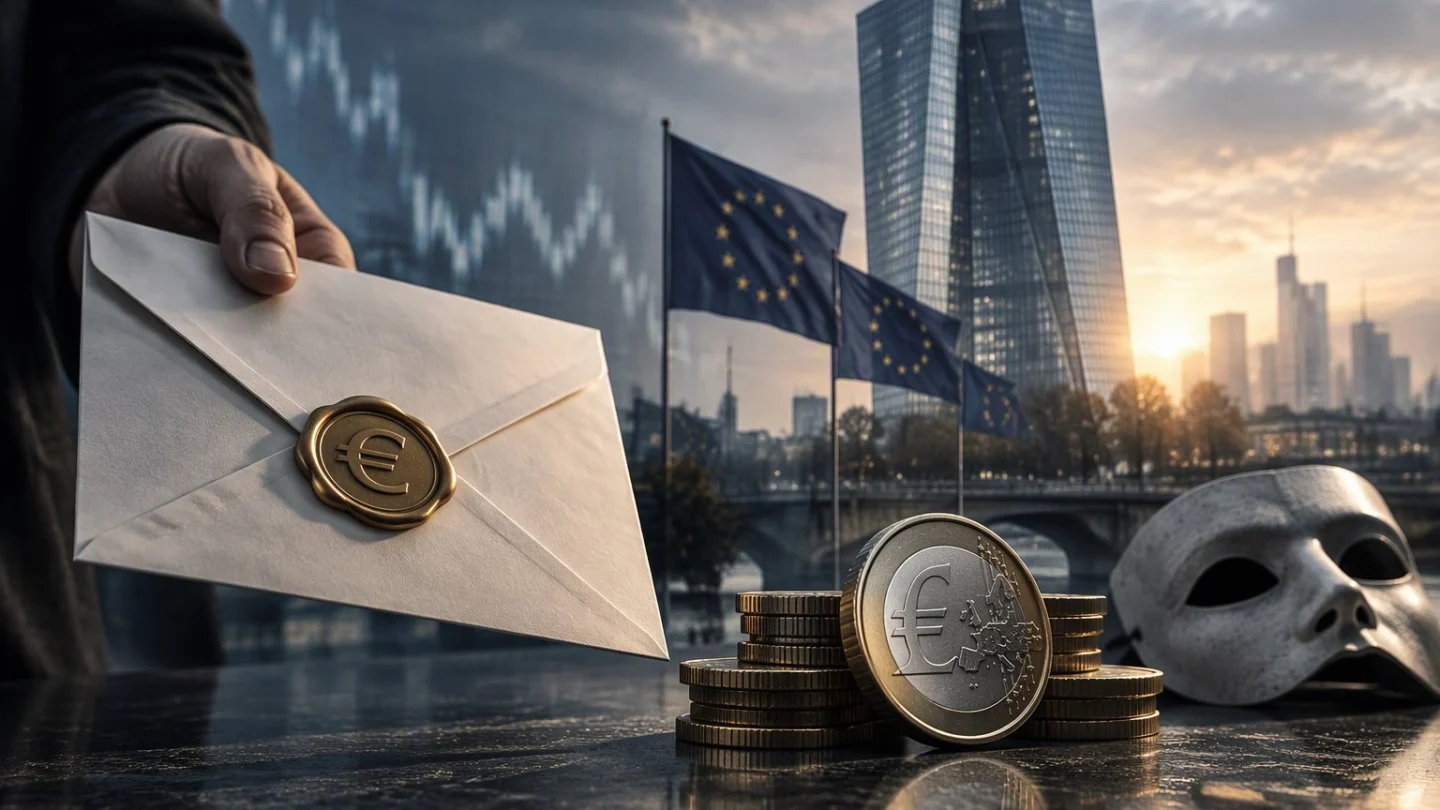
The letters are made to look as if they come from the ECB and invite citizens to take part in the alleged pilot, according to a warning now at the top of the central bank’s fraud page. They urge people to put money in, promising high returns with no risk.
The ECB says it does not ask the public to put money into digital euro projects. It tells recipients not to reply, not to send funds and not to share personal or financial details.
The bank has not said in which countries the letters have appeared or how many people have received them.
What the real pilot is
The ECB plans a 12-month pilot starting in the second half of 2027 to test a beta version of the digital euro in shops and between people, according to its pilot page.
Taking part are 36 payment service providers licensed in the euro area, picked from more than 50 applicants, plus selected merchants and staff of the ECB and 19 national central banks. A call for online and mobile merchants closed on Tuesday, 27 Oct.
The ECB aims to be ready for a first issuance during 2029, if EU lawmakers adopt the digital euro regulation in 2026. It will only decide whether to issue once that law is passed. TokenPost also reported the warning.
What it changes for users
Nothing about the digital euro can be bought today. Any letter, email or website offering a stake in it, or a place in the pilot for a fee, is fraudulent. The pilot page says the ECB never asks people for investments, money or personal information. Genuine ECB emails come only from addresses ending in @ecb.europa.eu or @ecb.int, its fraud page says.
Related: Sweden’s central bank pointed to the digital euro when it reopened its own e-krona debate last week.
This article is for information only and is not investment advice.